The choice of used electric cars keeps growing, but they need to be checked differently from conventional cars. First – what the technical inspection data shows.
What technical inspections show
According to 2024 inspection data from Latvia and the United Kingdom (an index of 100 is the average for cars of the same age):
| Model | Index | Most common reason for failing |
|---|---|---|
| Nissan Leaf | 105 | Suspension arms – 25% of cases |
| Tesla Model 3 | 131 | Tyre condition – 43% of cases |
| Renault Zoe | 144 | Tyre condition – 30% of cases |
- Tesla Model 3 fails 3.1 times more often than an average car because of tyre condition and 4 times more often because of tread depth.
- Renault Zoe – tyres and suspension arms: these defects are found 2.1–2.4 times more often than average.
- Nissan Leaf generations differ: the first (ZE0, 2011–2017) – 120, the second (ZE1, 2018–2024) – 88, i.e. more reliable than average.
The shares of reasons are based on UK data. One possible explanation is the greater weight and high torque of electric cars, which make tyres and suspension wear faster.
What to check when buying
- Battery condition. Ask for a battery state of health (SoH) report from a dealer or garage and compare the real range with the figures for a new car.
- Battery warranty. Many manufacturers give the battery a separate warranty. Check whether it is still valid and what its conditions are.
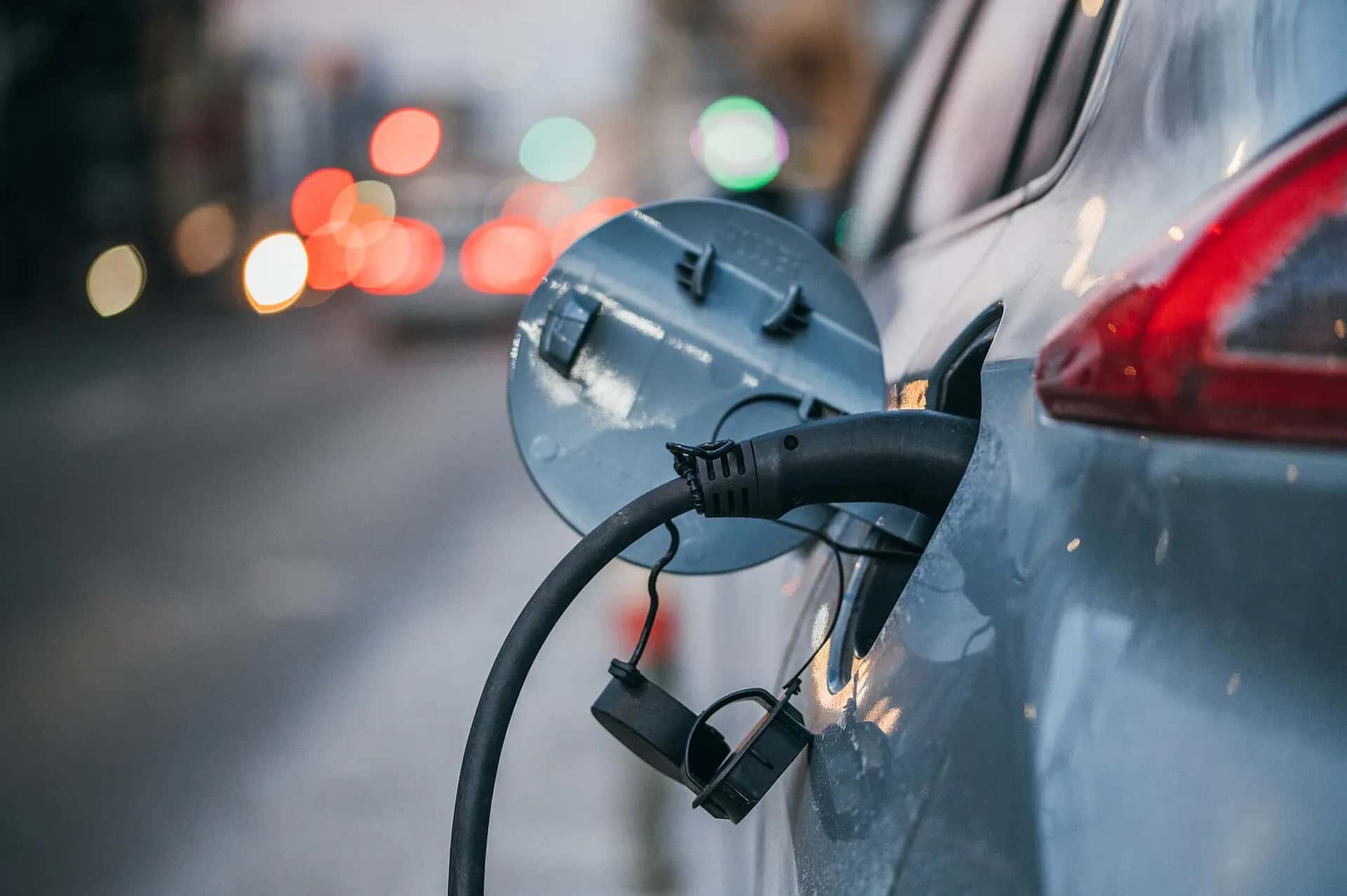
- Charging. Try both normal (AC) and fast (DC) charging, inspect the socket and make sure the charging cable is included.
- Tyres and suspension. According to inspection data these are the weakest points – check the tread, uneven wear and the suspension arms.
- Winter. The range drops in the cold. Find out whether the car has a heat pump.
- 12 V battery. An electric car has one too, and a weak 12 V battery can stop the car from switching on.
- History. Check the accident history by VIN – with the code KALO you get 20% off a carVertical report.
Taxes and support
- In Lithuania the pollution tax does not apply to electric cars.
- In Latvia electric cars do not pay the annual TEN tax. Latvia also offers state support of 3,000 to 9,000 € for a used electric car – if it is no more than 7 years old, its mileage does not exceed 150,000 km and it has been registered in Latvia for no longer than 12 months. The support is available when buying from a seller on the ekii.lv list. All conditions are in the EV support guide.
- In Estonia the CO2 part of the registration fee is 0 €, but the base part must be paid, as well as the annual tax.
- In Poland electric cars are exempt from excise duty.
More details in the article on car taxes. Electric car offers are in the listings section.